Design
Brand Assets: Understand What They Are and How They Work
Brand assets are tangible and intangible brand assets that are part of a brand's identity and convey its essence to the market.
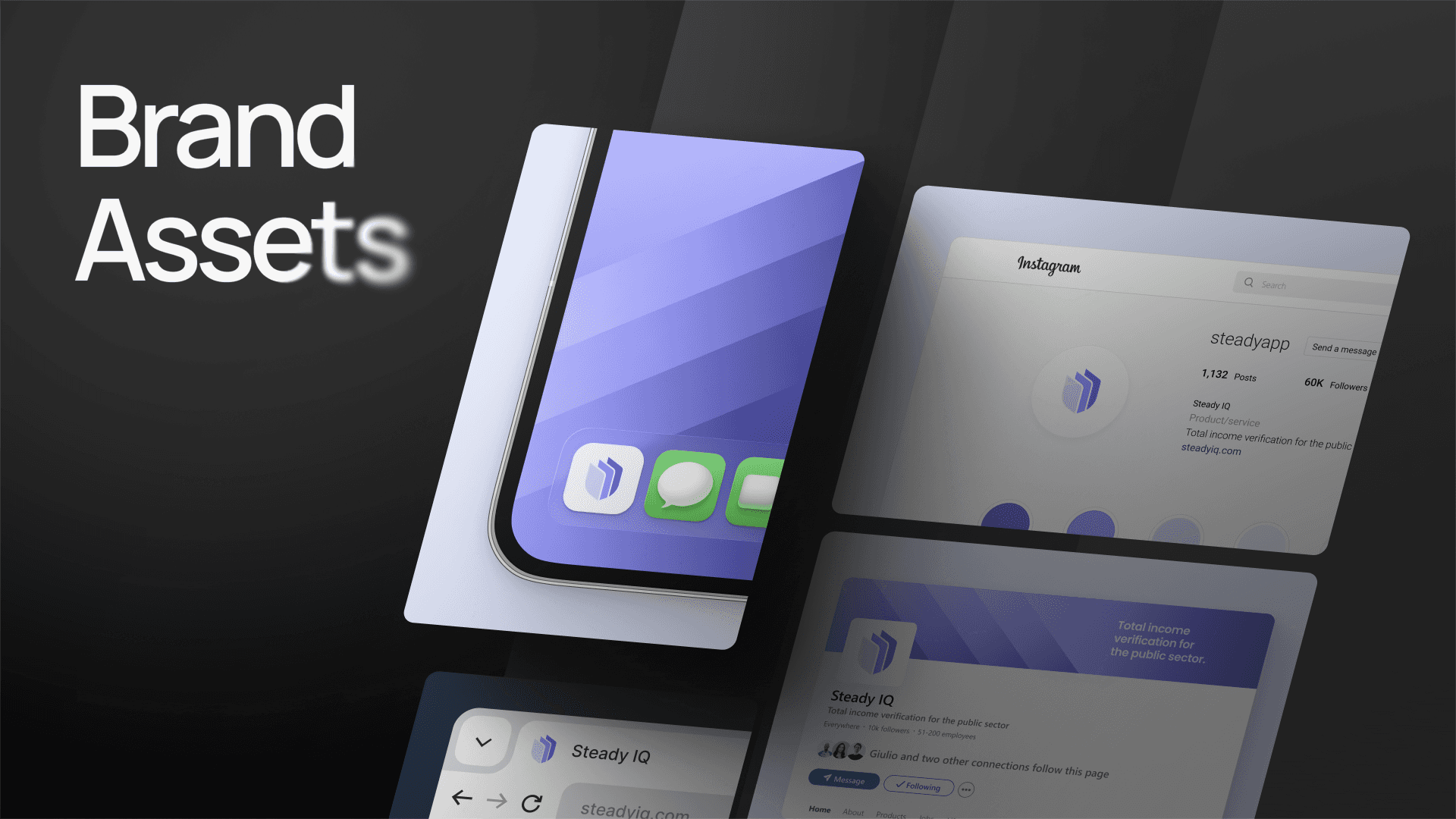
Understand What Brand Assets Are and How They Work
Do you know what brand assets are and how they work? Brand assets help consolidate a company's identity, ensure consistency in communication, and strengthen the company's recognition across all channels of contact with the public.
The brand assets translate the brand's values, positioning, and personality into verbal, visual, and sensory components, in order to create a memorable and satisfying experience.
Read our article and understand how brand assets work. Join us!
What Are Brand Assets?
The brand assets are tangible and intangible brand assets that are part of the identity of a brand and present its essence to the market.
These elements make up a set of resources that convey personality, values, and the way the company wants to be perceived by the public, being essential to making a brand recognizable and distinct amid competition.
In short, the brand assets create familiarity, strengthen brand recall, and make it possible to convey sensations, meanings, and positioning clearly and consistently.
What Are the Main Brand Assets?
The main brand assets that help make a brand easily recognizable and memorable are the following:
Brand name: forms the basis of the company's identity, since it is the first form of connection with consumers.
Logo and variations: visual elements that express the brand, making quick recognition easier.
Color palette: specific shades that strengthen identity and allow the public to remember the brand immediately just by looking.
Typography: the letter style used in materials and visual pieces that creates consistency in the brand's visual identity.
Slogans: memorable phrases that explain the company's proposition.
Visual elements: graphics, icons, patterns, and illustrations that complement the visual identity.
Brand voice: the way the company communicates with its audience, reflecting its identity and values.
Digital and physical media: websites, advertising pieces, and social networks structured with visual and verbal consistency.
Jingles: unique sound resources that contribute to association when remembering the company.
Product design: shapes and styles that become brand symbols.
These brand assets work together to build a consistent and recognizable experience at every market touchpoint.
What Are the Differences Between Brand Assets and Digital Assets?
Brand assets and digital assets are different concepts, but they may overlap in many cases.
To help you understand, brand assets (brand assets) are the components developed specifically to represent a company's personality and highlight how it wants to be perceived by the public.
In this sense, brand assets include colors, logos, typography, slogans, brand voice, and other resources that allow the brand to be differentiated and easily recognized.
In other words, they help build recognition, emotional connection, and consistency at every brand touchpoint.
On the other hand, digital assets are elements that exist in digital format and have value for the company, and may or may not reinforce the brand identity.
Digital assets include images, videos, audio, presentations, websites, documents, and any other electronic asset the company uses in its operations, being essential to organize, store, and distribute digital content efficiently.
Why Are Brand Assets Important?
The brand assets are important because they translate values, positioning, purpose, and personality into concrete resources.
When adopted consistently at every touchpoint, they make it possible to build a solid and differentiated identity, favoring brand positioning.
Learn more:
Brand Assets Build Trust
When a company applies its components consistently, it conveys professionalism and trust.
By using them repeatedly, the brand creates familiarity, making the market recognize the brand more easily and come to trust its communication, products, and services much more.
Brand Assets Improve ROI
Well-defined brand assets help promote more efficient and consistent marketing actions.
With a clear personality, campaigns require less adaptation effort and tend to generate more impact, contributing to higher engagement and conversion rates, resulting in a more positive return on investment over time.
Brand Assets Strengthen Brand Identity
Brand assets translate values, purpose, and personality into concrete resources. When used consistently at every touchpoint, the company can build a solid and differentiated identity.
This favors brand positioning and increases its relevance in an increasingly competitive market.
Common Challenges in Brand Asset Management and How to Overcome Them
Challenges in brand asset management arise as organizations expand their presence across different channels.
One of the most common obstacles is maintaining brand consistency at every touchpoint.
This happens because different teams and departments may use outdated versions of colors, logos, or visual elements, changing the brand perception and confusing the public.
Another very common challenge is the lack of version control, which can result in the improper use of old elements due to lack of organization.
Added to this, when there is no clear system for storage and access, professionals may have difficulty quickly locating the correct assets, generating rework and delays.
When brand rules are not documented or properly disseminated, external partners may also use the resources incorrectly, damaging the company's image.
To overcome these obstacles, there are effective strategies, such as creating a centralized and organized archive where all the brand assets are updated, allowing them to be easily located.
It is also important to define and share clear usage rules to guide teams and partners on the correct application of the brand in various contexts.
The Future of Brand Assets in the Digital Era
In the digital era, the future of brand assets is increasingly dependent on technology, customization, and user experience.
More than static visual resources, the brand assets are often dynamic, adaptable, and integrated across the most varied channels and scenarios, keeping up with changes in consumer behavior.
Artificial intelligence, motion design, and interactive experiences expand the application possibilities of brand assets, making materials and pieces much more attractive.
Over the years, authenticity and public participation will be even more important, requiring more flexible and adaptable personalities, but without losing consistency.
In this scenario, companies achieve a balance between innovation, coherence, and emotional connection to stand out in the digital environment.
How to Identify and Manage Your Main Brand Assets?
Identifying and properly managing the brand assets provides consistency, recognition, and efficiency in company communication.
This process should start with a strategic analysis and evolve into organized management.
Thus, the first step is to map all existing assets, such as colors, logo, icons, typography, images and layouts, tone of voice, slogan, purpose, values, and key messages.
In addition, it is also important to analyze the strength and consistency of these assets, checking how they are being used, whether they adequately reflect the brand positioning, and whether they are easily recognized by the public.
In the management stage, it is important to centralize the brand assets in a single environment, to facilitate access by internal teams and partners, reducing usage errors and avoiding outdated versions.
Added to this, it is essential to create clear application rules, defining how each asset should be applied in different contexts.
It is worth remembering that the brand asset management should be an ongoing process, with regular adjustments, alignment between teams, and strategic updates.
This care ensures that the assets keep pace with the evolution of the brand and the market, maintaining a strong, consistent, and relevant personality over time.
Conclusion
The market is increasingly competitive and digital, so taking care of the brand assets has become a strategic decision.
Companies that identify, organize, and manage their assets well have clearer communication, gain easier recognition, and strengthen public trust.
Much more than developing visual resources, brand assets help build a coherent and solid system that supports brand growth.
Want to create brand assets efficiently and with quality? Count on the MDN Digital, which works in an integrated way across branding, design, and growth, helping structure, organize, and evolve your brand assets strategically.
Our Marketing and Technology consultancy brings together design, technology, and strategy to create and improve consistent brand assets that keep pace with the growth and evolution of the business.


