Design
Brand Platform: What It Is and How to Build One
A brand platform is a set of guidelines that directs teams to strengthen a company's identity and strategy. Learn more!
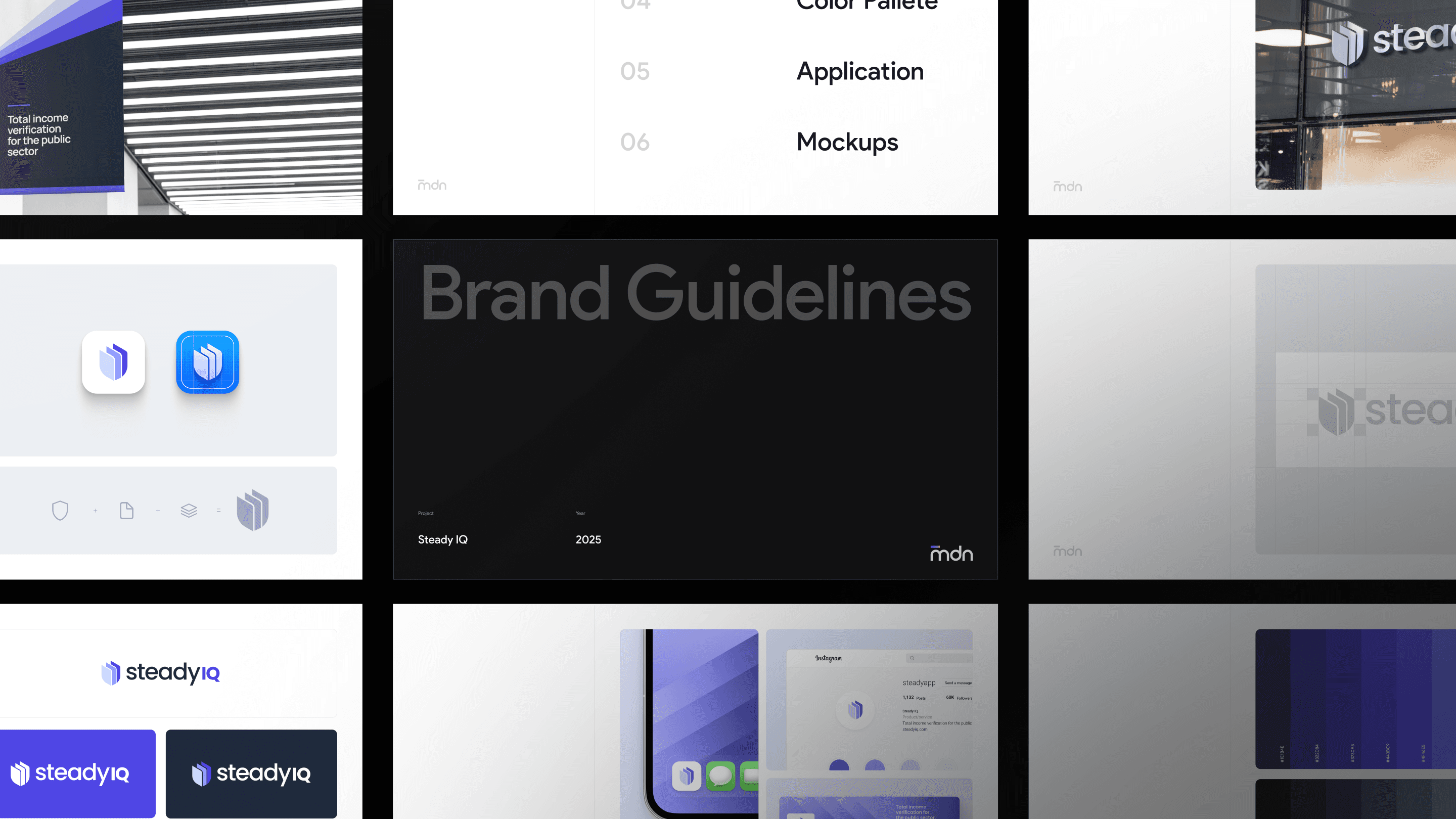
What Is a Brand Platform and How to Build One
A brand platform is a strategic framework that organizes, structures, and guides a brand's entire identity, used as an orientation base to define communication, positioning, and the customer experience.
This strategic framework brings together important aspects such as values, purpose, mission, vision, style, tone of voice, and value proposition, to ensure consistency across all company touchpoints with the market and the audience.
Read our article and understand what a brand platform is and how to build a consistent and effective brand architecture. Check it out!
What Is a Brand Platform?
A brand platform, as mentioned, is a set of guidelines that guides teams in strengthening a company's identity and strategy.
Unlike methodologies focused only on execution, the brand platform serves as an internal strategic foundation that defines the brand's purpose, positioning, values, and tone of voice.
In other words, this strategic foundation guides everything from the tone of messages to the correct use of the logo, ensuring that the company presents itself in a coherent and consistent way across all contact channels.
What Does a Brand Platform Contain?
A brand platform brings together several elements that establish a brand's identity and strategic direction, consolidating aspects such as purpose, mission, vision, and values.
This strategic base also defines the positioning, target audience, personality, and tone of voice of the brand, in addition to the promise and key messages that guide communication in various contexts.
What Is a Brand Platform For?
In practical terms, the brand platform serves as a central guide that provides cohesion, consistency, and alignment. Understand its roles below:
Alignment of internal teams with the brand's values, purpose, and identity;
Ensuring brand consistency across all touchpoints;
Strengthening brand perception in the market;
Guiding strategic decisions;
Unifying communication and marketing components;
Improving trust and emotional connection with the audience;
Ensuring the brand can expand and scale.
Who Is a Brand Platform For?
A brand platform can be used by companies of all sizes and sectors that want to organize and strengthen their brand in a strategic way.
This framework is suitable for growing companies, businesses that show inconsistency in communication, as well as startups that need to structure their identity.
In addition, the brand platform is also useful for brands that work with multiple teams or partners, and for companies that want to stand out in the market and build closer connections with the public.
Why Is a Brand Platform Important?
The brand platform is important for companies seeking clarity, cohesion, and strategic direction for all decisions related to the business.
When there is no alignment, communication can become fragmented, causing teams to interpret the brand in different ways, which affects audience perception, leading them to see inconsistencies in the brand identity.
In addition, the brand platform connects the institutional message with the brand's practical actions, strengthening recognition, credibility, and trust in the company.
Finally, a well-structured brand platform can reduce rework, make decisions safer, and sustain business growth, since it guides the brand's evolution in a consistent way aligned with business goals.
Why Does Your Company Need a Brand Platform?
A brand platform is recommended whenever the brand goes through periods of construction or transformation within the company.
During these moments, creating a consistent and clear strategic framework ensures that the brand evolves in a coherent and solid way.
Brand Launches
For brand launches, clarity is needed from the very first contact with the public.
In this way, the brand platform helps define identity, messaging, and visual presentation in an integrated way, ensuring that all initiatives convey a solid message aligned with the desired positioning.
This care strengthens the company's initial perception, thus making it easier to differentiate itself among the target audience and the market.
Strategic Repositioning
The brand platform is also suitable for companies going through strategic repositioning, since it serves as a support base for guiding changes with consistency and safety.
A brand platform helps review and adjust different elements, such as value proposition, language, and identity, without losing the company's identity.
This ensures continuity, coherence, and relevance in transition processes toward new audiences, markets, or business goals.
What Is the Difference Between Brand Platform and Brand Strategy?
Brand platform and brand strategy are different concepts in the brand-building process. To help you understand, brand strategy is a long-term framework that defines the brand's identity, why it exists, and how it wants to be understood in the market.
In the case of the brand platform, it is an internal structure that materializes this strategy, defining purpose, positioning, values, and voice in a coherent guide that directs daily routines.
In short, brand strategy answers questions about the brand, such as “what” and “why,” while the brand platform serves as a map that turns strategies into actions, as well as a practical guide for teams and decisions.
What Is the Difference Between Brand Platform and Brand Positioning?
Brand positioning and brand platform also raise many doubts among professionals, and therefore it is important to distinguish them.
However, the main difference lies in the branding aspect that defines how the brand differentiates itself and positions itself in the audience's mind, presenting its unique value proposition against competitors.
On the other hand, the brand platform is a broader framework, since it integrates aspects such as positioning, purpose, values, mission, voice, and messages, serving as a complete identity foundation.
How to Build a Brand Platform?
Building a brand platform is a strategic process that should create a solid structure that guides how the company positions itself, presents itself, and relates to the market.
That is why it is important to consider essential steps that help build a clear, consistent identity that can be applied in the day-to-day business.
Research the Market
The first step to building a brand platform is understanding the context in which your brand operates.
Therefore, it is important to analyze competitors, audiences, opportunities, and trends. The goal is to understand what already exists and where your company can stand out.
This stage is important because it guides strategic decisions, avoiding assumptions and guesswork.
Create the Philosophy of a Brand
Based on this market research, the next stage is to define the foundations of your brand, which include the following components:
Purpose: the reason for your existence;
Mission: the product or service offered;
Vision: the path you want to follow and where you want to go;
Values: the principles that guide it.
These aspects are the foundation of your brand platform and give meaning to your strategies.
Define a Visual Language and Tone of Voice
Another important consideration is defining a visual language and tone of voice to be used by your company.
In this way, establish how the brand presents itself visually, including colors, typography, style, as well as the verbal way it communicates, including tone, communication style, and personality.
This stage ensures solidity in all materials produced, from campaigns to customer service.
Choose the Brand Name
The brand's trade name is also important in the process of building a brand platform.
Remember that it should represent the brand's proposition, be memorable and easy to pronounce, and also connect emotionally with consumers.
Don't forget that this definition directly influences how the brand is perceived by the target audience and the market.
Create an Attractive Slogan and Logo
Creating an attractive slogan and logo is also an essential step. A powerful slogan summarizes the brand's promise or identity in just a few words.
In the case of the logo, this element serves as a visual symbol that expresses and differentiates your company across its touchpoints. Together, they help закреп the brand's identity in the audience's mind.
Conclusion
The brand platform helps build and evolve a brand, organizing strategy, guiding decisions, and ensuring consistency in how the brand presents itself, positions itself, and relates to the public.
By investing in a brand platform, your business gains greater clarity and coherence to grow in line with its long-term goals.
When building a brand platform, get to know MDN Digital and find a strategic arm of innovation for your business. Our marketing consulting and technology deliver structured services to support business growth at different stages.
By combining strategy, design, technology, and performance, we enable your company to turn ideas into consistent digital products.
Visit our website and learn more!


